
Designing for Adaptation: Giulia Benati Presents at ISIA Rome’s «Design for Climate»
On November 14, 2025, our team member Giulia Benati took part in the «DESIGN FOR CLIMATE: Co-designing actions to address climate change» event, held at the Aula Magna of ISIA Rome.
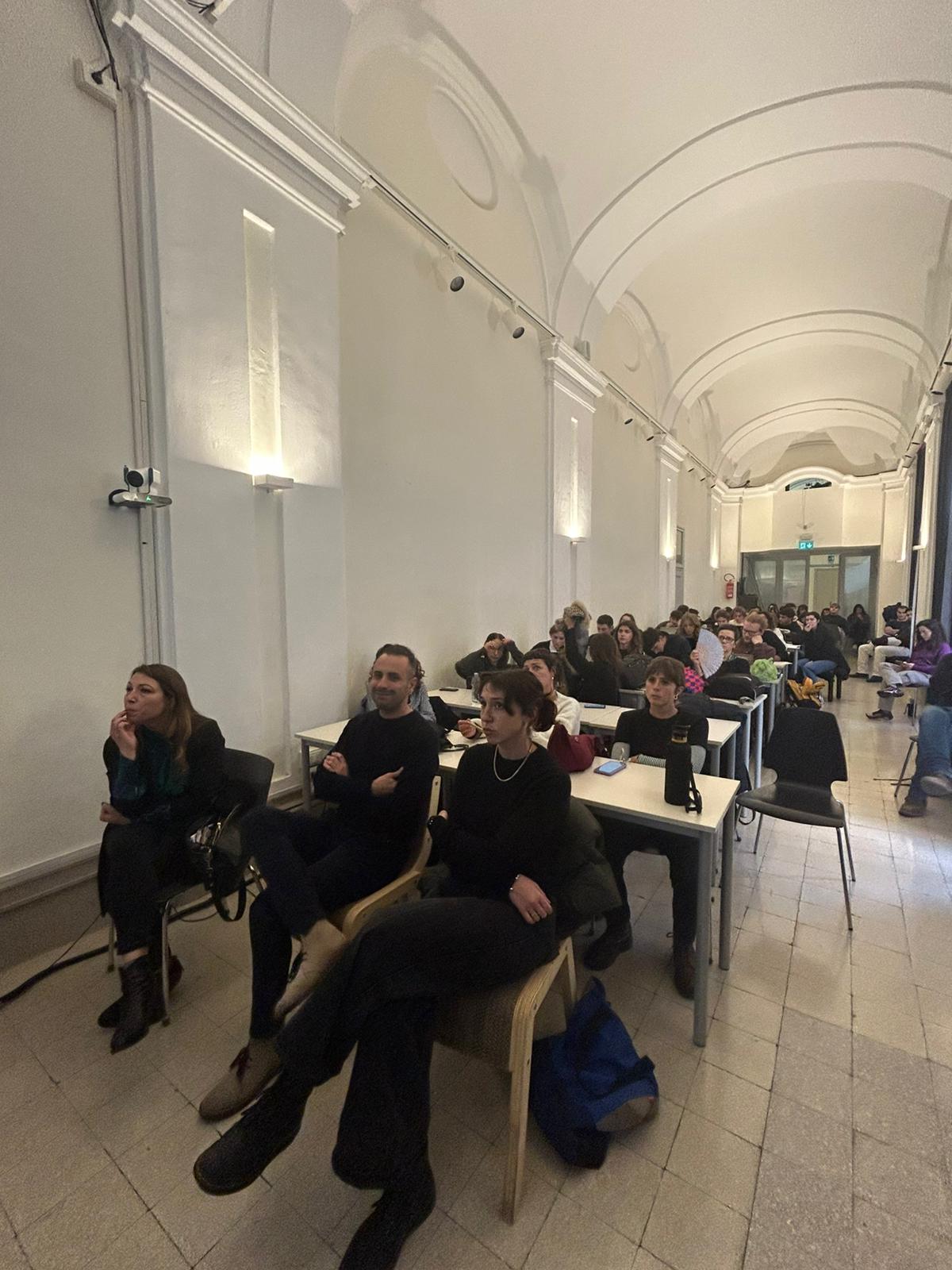
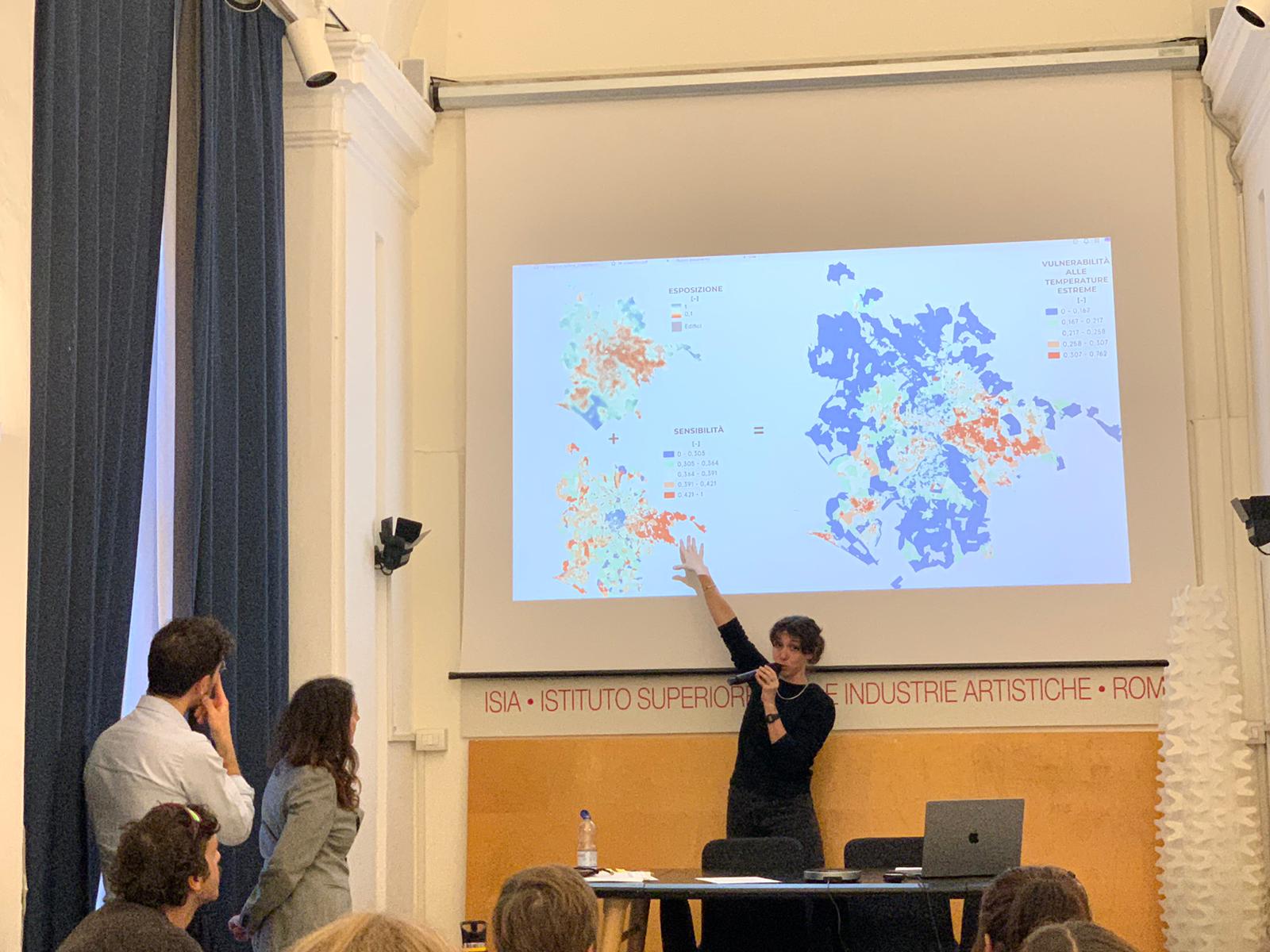
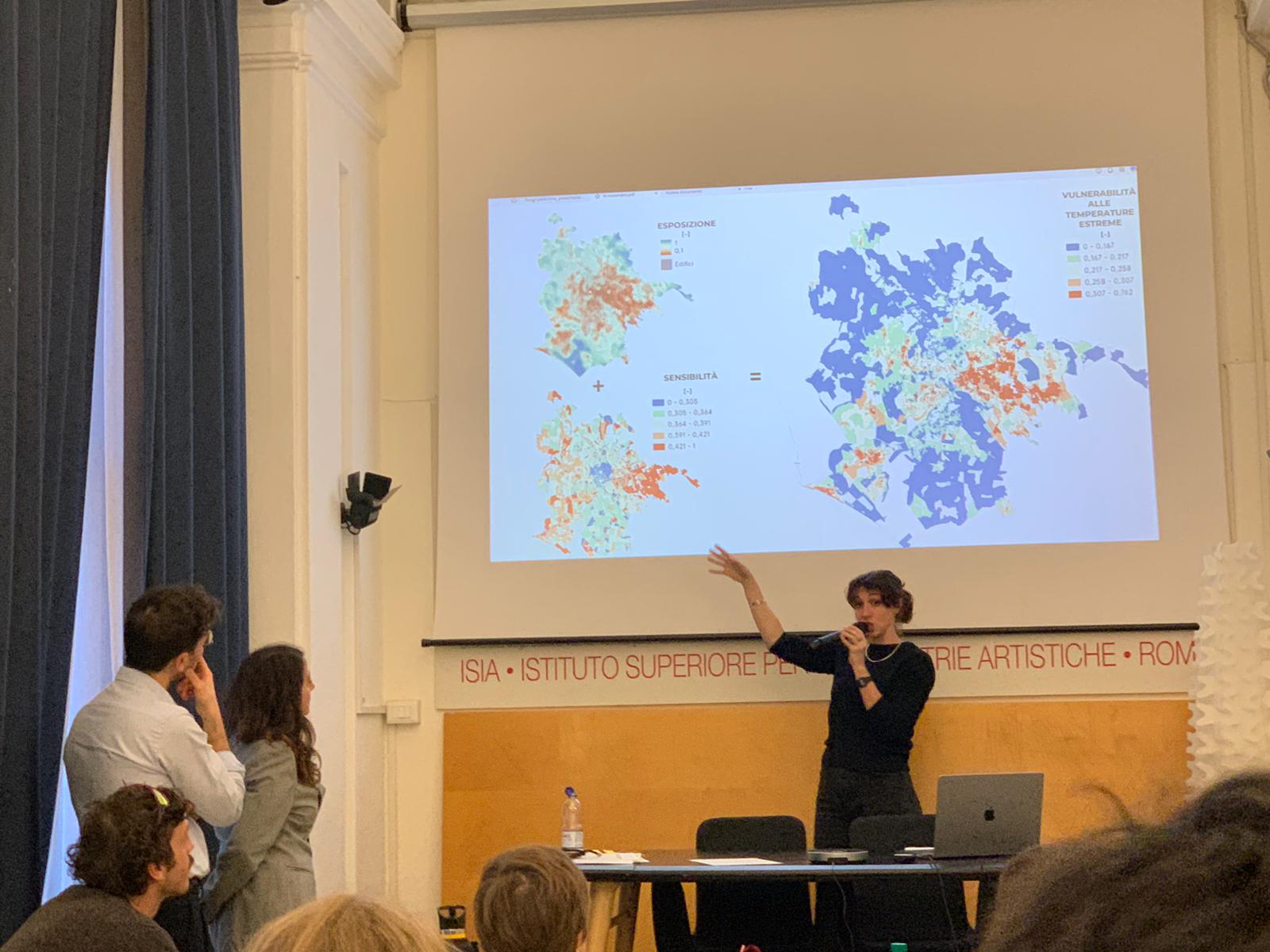
Giulia Benatti, a researcher at ICTA-UAB and a key member of LASEG, the BIG-5, and Commit2Green projects, presented: «Designing for Climate Adaptation: From spatial analysis of vulnerability to extreme temperatures to climate shelters«. climate shelters». Her contribution introduced how data-driven urban planning can support cities in responding to rising temperatures, with a focus on the City of Rome.
This project is carried out with Rome’s Climate Office to link scientific research with practical city policies. Giulia emphasized the importance of using data-driven methods in local administration to create effective, locally tailored climate strategies.
From Analysis to Action: The Heat Plan
The talk outlined the technical and operational work currently underway to develop Rome’s first Heat Plan, which will build on and operationalise the city’s existing Climate Adaptation Strategy. The presentation walked attendees through the methodology adopted to identify where climate adaptation interventions are most necessary.
- Mapping the Urban Heat Island: Using spatial analysis and environmental modelling tools, the team is mapping temperature patterns across the city to highlight hot spots.
- Calculating Vulnerability: Temperature exposure has been combined with socio-demographic sensitivity indicators, such as age structure, chronic illness, and income levels, to understand not only where it is hottest, but where heat disproportionately affects residents.
- Mapping Existing Resources: The analysis includes the identification of existing cooling infrastructures, which can potentially serve as climate shelters.
- Prioritising Interventions: Priority areas are defined by overlapping high vulnerability and low access to existing cooling opportunities.
- Co-designing Solutions: For the pilot area, residents will be asked to map where they need cool spaces and which co benefits they would like these sites to provide.
Redefining Urban Spaces: The Climate Shelter
A central part of the talk focused on the concept of Climate Shelters, both indoor spaces such as libraries and museums, and outdoor areas such as parks, which provide relief from extreme temperatures through natural shade, cooling vegetation, or air conditioning. For these shelters to function as public assets, they must be free, accessible, and inclusive.
The analysis builds on lessons shared by cities like Barcelona and Paris, which have already developed extensive climate shelter networks. Giulia also highlighted that these shelters are not only protective spaces, but can become neighbourhood hubs that strengthen social cohesion, cultural vitality, and wellbeing.
Toward an Integrated Climate Shelter Map for Rome
The presentation concluded with an overview of Rome’s ongoing work to develop an integrated and publicly accessible map of climate shelters, ranging from senior centres to free museums and parks with high-quality vegetation. This map will support a more equitable distribution of cool spaces, helping the city move toward a more resilient and just future.
As part of ICTA UAB’s broader commitment to advancing applied socio-ecological research, this contribution illustrates how scientific evidence can support cities in designing practical and socially responsive climate adaptation measures


